How is the Siderise Inspection App helping make product traceability the next frontier in building safety?
When discussing the Building Safety Act, much of the conversation understandably focuses on Gateways 2 and 3 and the evidence required to secure a Completion Certificate. Yet, while these milestones are important, they are only one part of a much bigger shift taking place across the construction industry.
The new building safety regime is not just about regulation. It is also about information. Specifically, how the industry captures, manages and maintains information about life safety-critical products throughout a building's lifecycle.
For years, project teams have concentrated on what was specified and what should have been installed. Increasingly, however, the focus is expanding to be more panoptic: being able to demonstrate exactly what was installed, where it was installed, who installed it and how its quality was verified.
This evolution is influencing everything from the Golden Thread of information through to the ongoing reform of the construction products regime. It has also influenced the development of our new Siderise Inspection App.

Why does installation information matter?
The construction industry generates vast amounts of information during a project. Specifications, drawings, technical submissions, change records, inspection reports and handover documentation all play a role in bringing a building from concept through to completion.
The challenge is that information can often become fragmented as projects progress. Different stakeholders store documentation in different places, supply chains change, teams move on and years later it can become difficult to establish exactly what happened during construction. This challenge becomes particularly significant when dealing with passive fire protection measures.
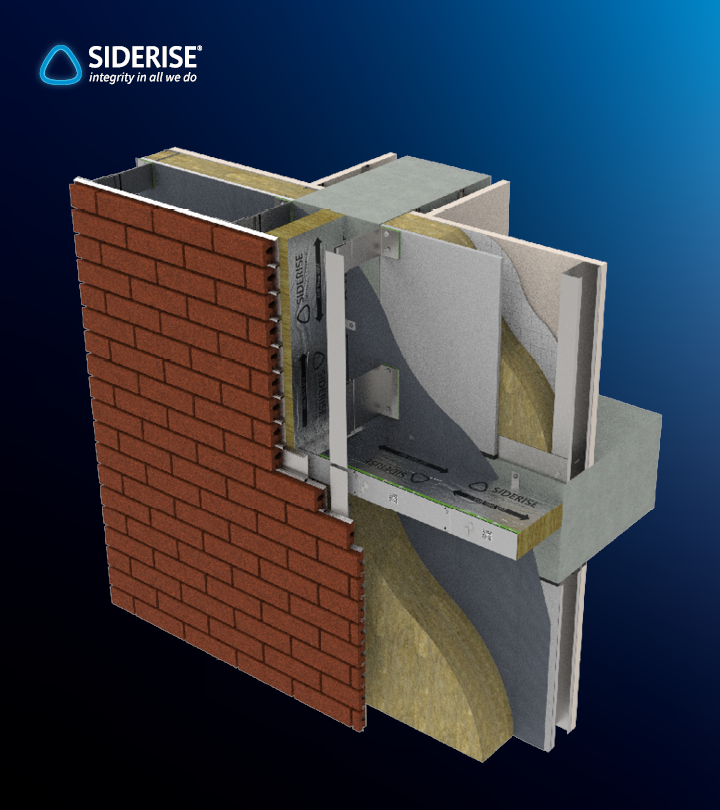
Products such as cavity barriers and firestops are typically concealed once construction is complete. Unlike doors and other visible building elements, they cannot be easily inspected throughout the building's life without intrusive investigation, which can be difficult once a building is occupied. Consequently, the quality and accuracy of the records created during installation become particularly important.
Moving from specification to traceability
Today, project teams are increasingly expected to maintain accurate records that provide confidence not only in what was intended, but in what was delivered. This principle sits at the centre of the Golden Thread concept, which seeks to create a reliable and accessible record of information that supports the safe management of a building throughout its life.
For passive fire protection, this means creating records that can help answer important questions long after construction has finished.
What products were installed?
Where were they installed?
Were they installed in accordance with manufacturer recommendations?
What evidence exists to demonstrate installation quality?
These are likely the same questions to be asked by building owners, accountable persons and facilities managers long after the original construction team has moved on. So, the ability to answer these questions can support not only construction handover but also future maintenance, refurbishment, fire risk assessments and asset management activities.
Why construction product reform is accelerating this change
Alongside the Building Safety Act, proposed construction product reforms are encouraging greater transparency, accountability and traceability across the built environment.
The direction of travel is clear. Product information is no longer viewed solely as something required during specification and procurement. Instead, there is growing recognition that information must remain accessible and useful throughout the building lifecycle.
Manufacturers, contractors and building owners are therefore placing increasing value on digital records that document not only product selection but also installation quality, technical support and project decision-making.
For safety-critical products, this information can provide valuable context for those responsible for managing buildings many years after construction has completed.
Creating better records while work is taking place
One of the challenges with traditional record-keeping approaches is that information is often gathered retrospectively. Project teams may find themselves trying to compile evidence at major project milestones or handover stages, relying on records that have been captured by different people at different times.
Digital technologies like the Siderise Inspection App are helping to change this.
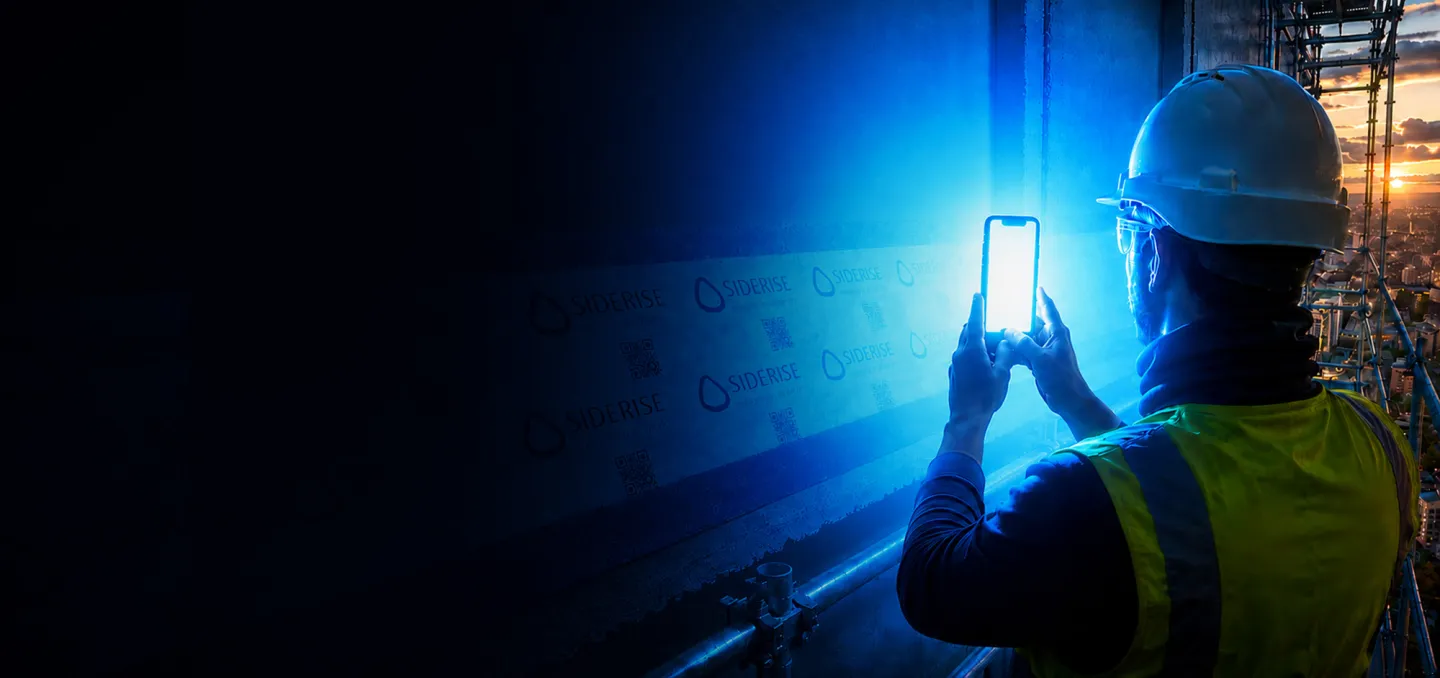
Rather than collecting information after the event, construction teams can now capture evidence during the installation process itself. This enables records to be created at the point the work takes place, helping improve accuracy, consistency and traceability.
Building safety does not end at handover
Whilst discussions around compliance often focus on construction, the reality is that building safety extends far beyond project completion.
Buildings evolve. They are maintained, refurbished, adapted and managed by different stakeholders over time. The quality of information passed from one duty holder to the next can therefore have a significant impact on future decision-making.
This is where Siderise Inspection App installation records can deliver long-term value.
Information originally gathered to support project quality assurance may later assist with maintenance planning, refurbishment programmes, fire risk assessments or investigations into building performance. It can help future stakeholders better understand the building they have inherited and make more informed decisions about how it should be managed.
In this sense, the value of installation records extends well beyond any individual gateway, inspection or compliance milestone.
Turning information into insight
Another benefit of digital record keeping is the ability to identify trends and opportunities for improvement.
When installation information is captured consistently, it becomes possible to identify recurring issues, common challenges and areas where additional support may be beneficial. This creates opportunities to improve installation quality, enhance training programmes and provide more targeted technical support.
At Siderise, information submitted through our Inspection App connects with our wider project management systems, allowing inspection activity, technical support and training interventions to be viewed as part of a broader quality assurance process. This helps provide greater visibility of installation quality and supports a more proactive approach to customer support.
Looking ahead
Whether considering the Golden Thread, construction product reform or long-term building management, our industry is moving towards a future in which accurate, accessible and traceable information is increasingly important.
For passive fire protection, that means creating clear records of what was installed, how it was installed and how installation quality was verified.
The Siderise Inspection App is helping make this possible, supporting not only project delivery today, but safer and more informed building management for years to come.
Read our other blog on how the Siderise Inspection App supports better building safety.
Contact us
We're here to help you
Call for our main switchboard
Email us for technical enquiries
Email us for site support
Complete the form for the right response