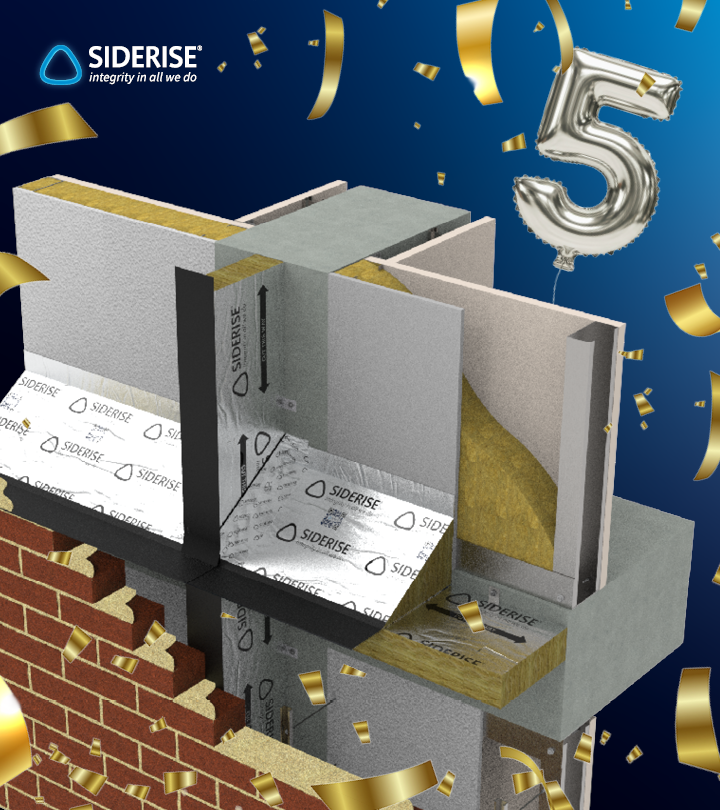
Cavity fire barrier system for ventilated brick slip façade systems
Tailored solutions for modern façade systems
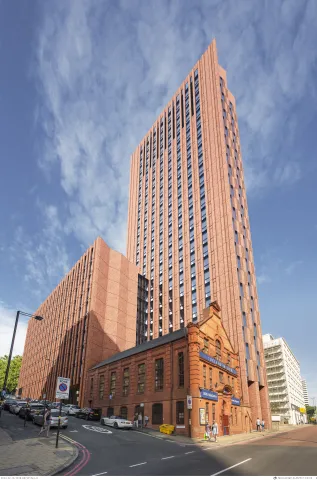
As demand for faster, more efficient construction grows - combined with the increasing trend for a brick finish in mid- and high-rise developments – mechanical fix brick slip cladding systems have emerged as a contemporary, lightweight, and versatile alternative to traditional masonry external wall systems that use full-depth bricks.
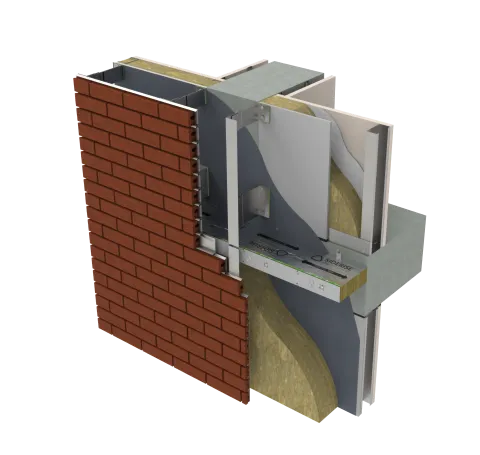
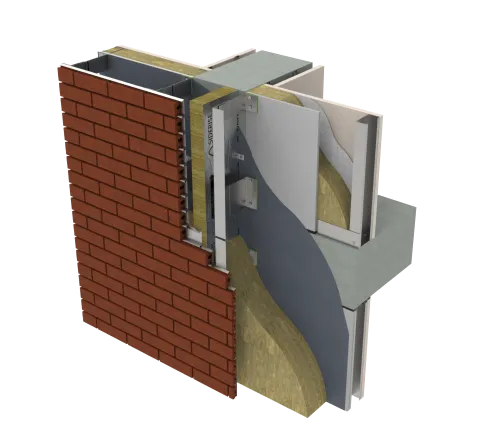
The Siderise BH & BV Brick Slip Cavity Barrier Systems are a range of open-state and full-fill cavity barriers that are designed, certified and supported to address the specific demands and design nuances of a wide variety of ventilated brick slip façade systems.
Products
Explore products and systems
Our solutions combine product with service to meet the individual requirements of ventilated brick slip façade systems
FAQ's
Below, we've answered some of the most common questions about brick slip cladding systems and passive fire protection.
A brick slip cladding system is a type of lightweight façade where thin brick slips are attached to a structural backing instead of using full-sized bricks. This creates the aesthetic of a traditional masonry wall while allowing faster installation, reduced weight, and compatibility with ventilated façade systems.
Ventilated brick-slip façades have a cavity behind the outer layer. Without passive fire protection, fire and smoke can spread through this cavity. Installing fire-rated cavity barriers helps maintain fire compartmentation and ensures the building meets fire safety regulations.
Typical solutions include:
Open‑state horizontal barriers: allow airflow and drainage during normal conditions, but seal the ventilated cavity when exposed to fire
Full-fill vertical barriers: completely fill the cavity vertically, helping prevent fire from spreading between compartments.
We have developed the following products to support brick slip systems - BH & BV.
Brick cladding systems are becoming increasingly popular because they deliver the appearance of traditional masonry while offering the benefits of a lighter, faster to install façade. They can support modern construction methods, help reduce programme times and, because installation is generally less weather-dependent than traditional bricklaying, can help keep projects moving even in poor weather conditions.
No, some brick cladding systems have railing systems where installation needs to be approached in a specific way to maintain effective compartmentation, some are more simple with flat backed panels. For this reason, passive fire protection solutions should be considered based on the specific façade system and supported by appropriate technical guidance.
Contact us
We're here to help you
Call for our main switchboard
Email us for technical enquiries
Email us for site support
Complete the form for the right response