Rainscreen passive fire protection: addressing hidden risks behind cassette and profiled cladding
Modern building projects around the world continue to embrace rainscreen façades for their performance, versatility, and striking visual appeal. From sleek aluminium cassette panels to bold, profiled cladding systems, designers have almost unlimited freedom to shape a building’s external identity. However, whilst the external appearance captures attention, the real test of performance lies behind these façade finishes, particularly when it comes to passive fire safety.
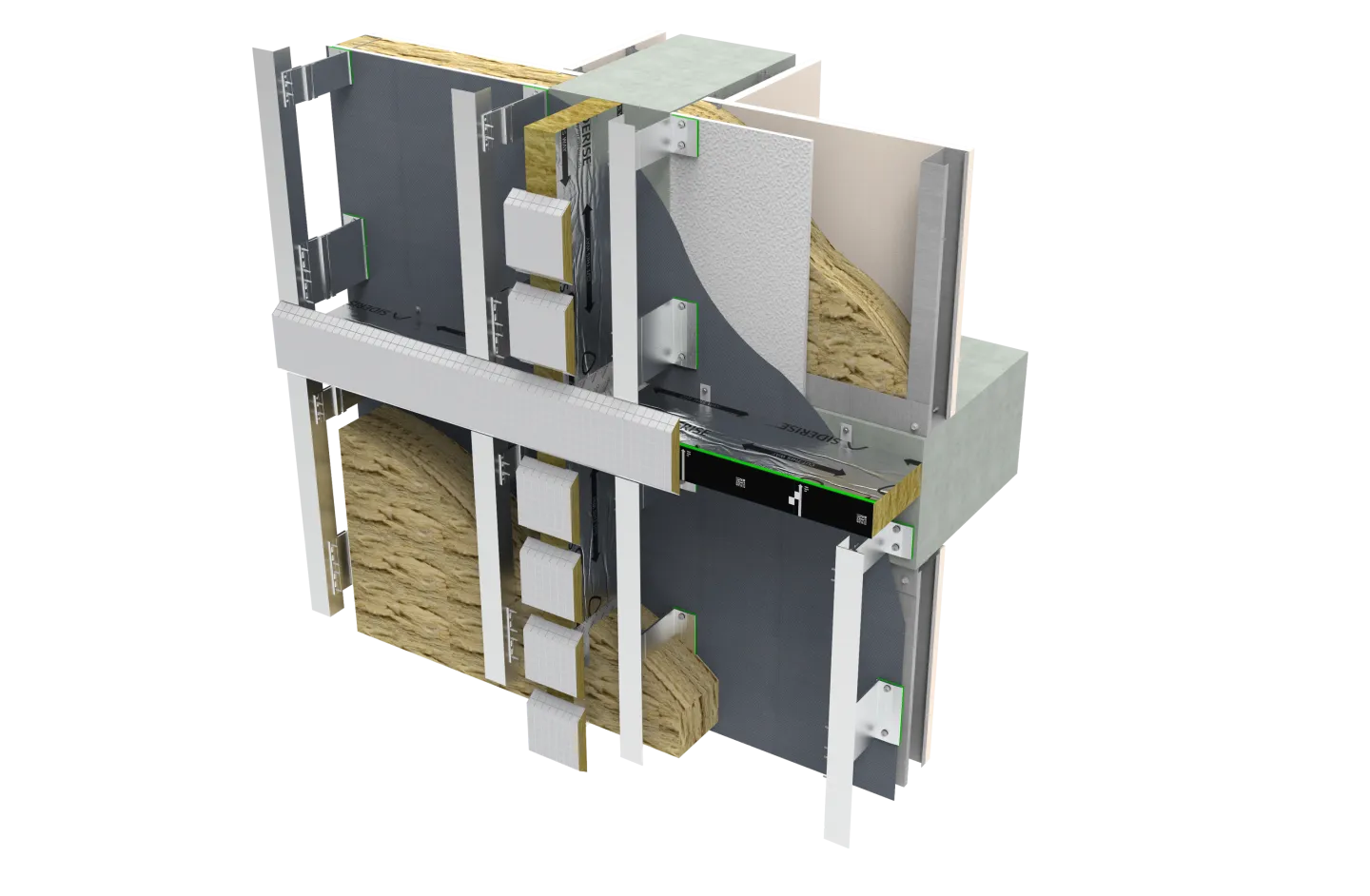
Why rainscreen passive fire protection matters
Rainscreen systems are designed to create a ventilated cavity between the outer cladding and the building structure. This cavity plays a vital role in moisture management and thermal performance. However, it can act as a pathway for fire spread if not properly protected.
Cavity barriers are an essential part of the rainscreen façade system, blocking the cavity either permanently (full-fill) or when activated by the heat of the flames (partial-fill intumescent open state cavity barriers), limiting the spread of fire and protecting life, property and the environment. However, ensuring their effectiveness depends heavily on how well they are installed and the consistency of the surfaces they seal against.
The challenge with cassette and profiled panels
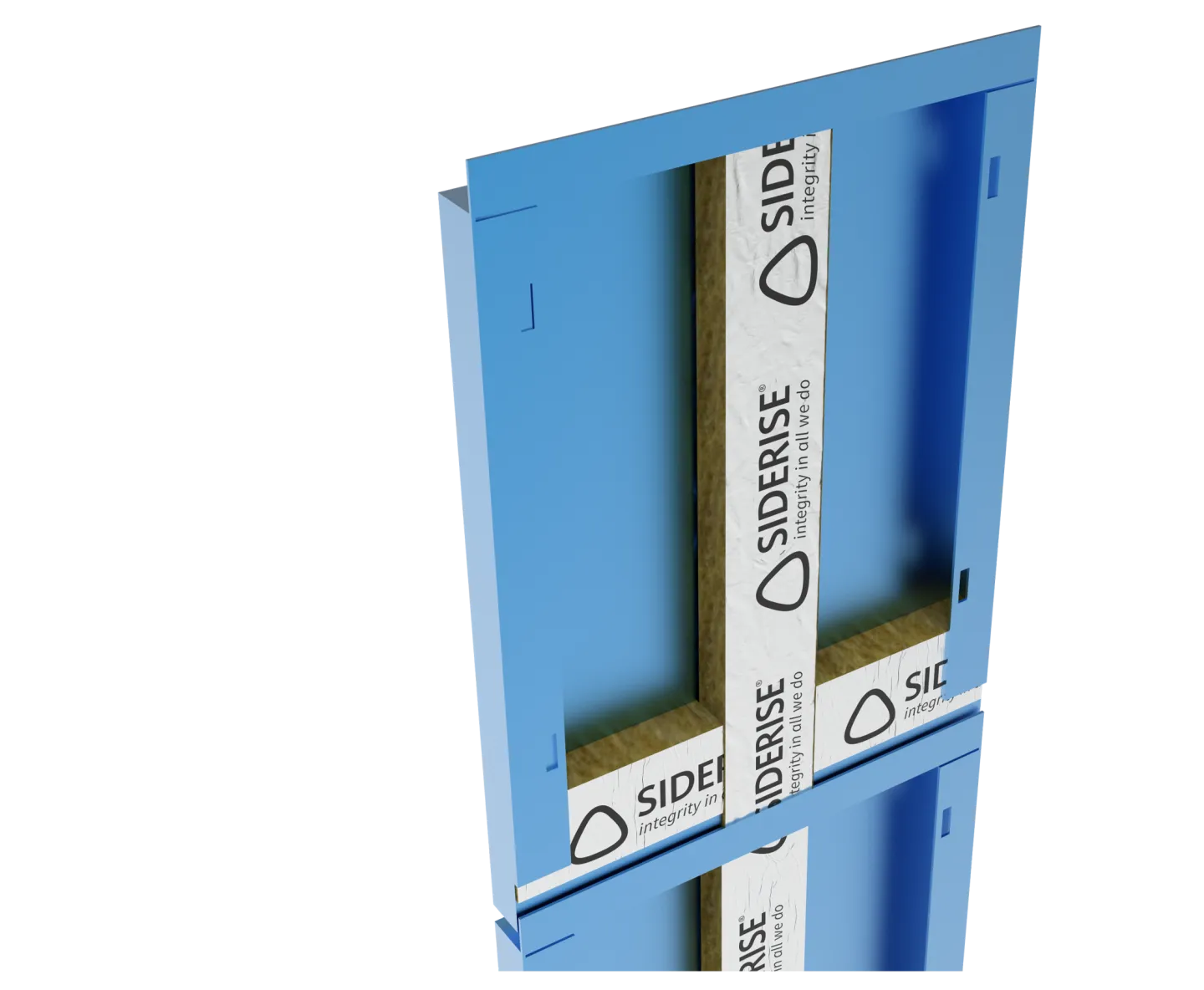
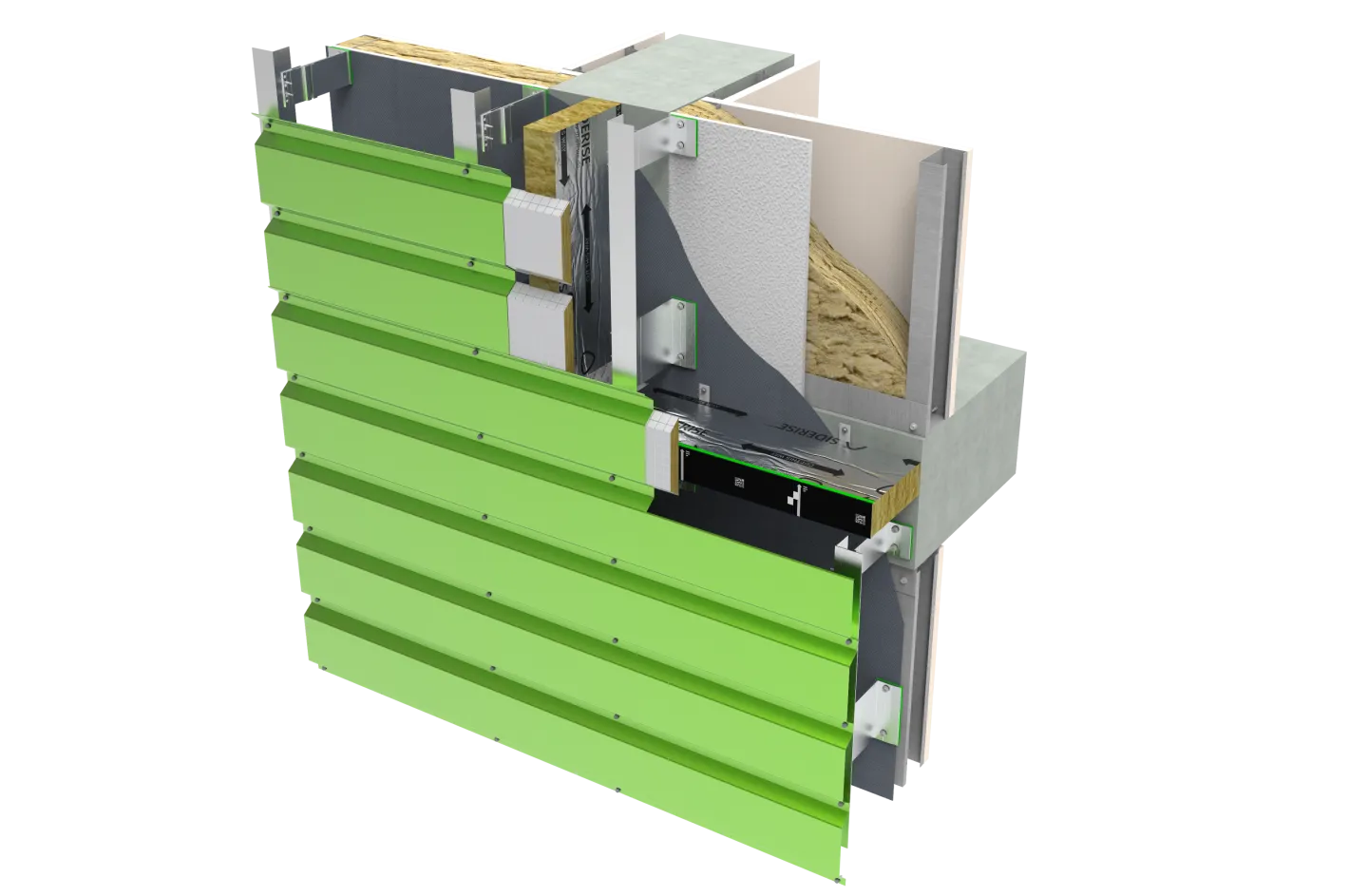
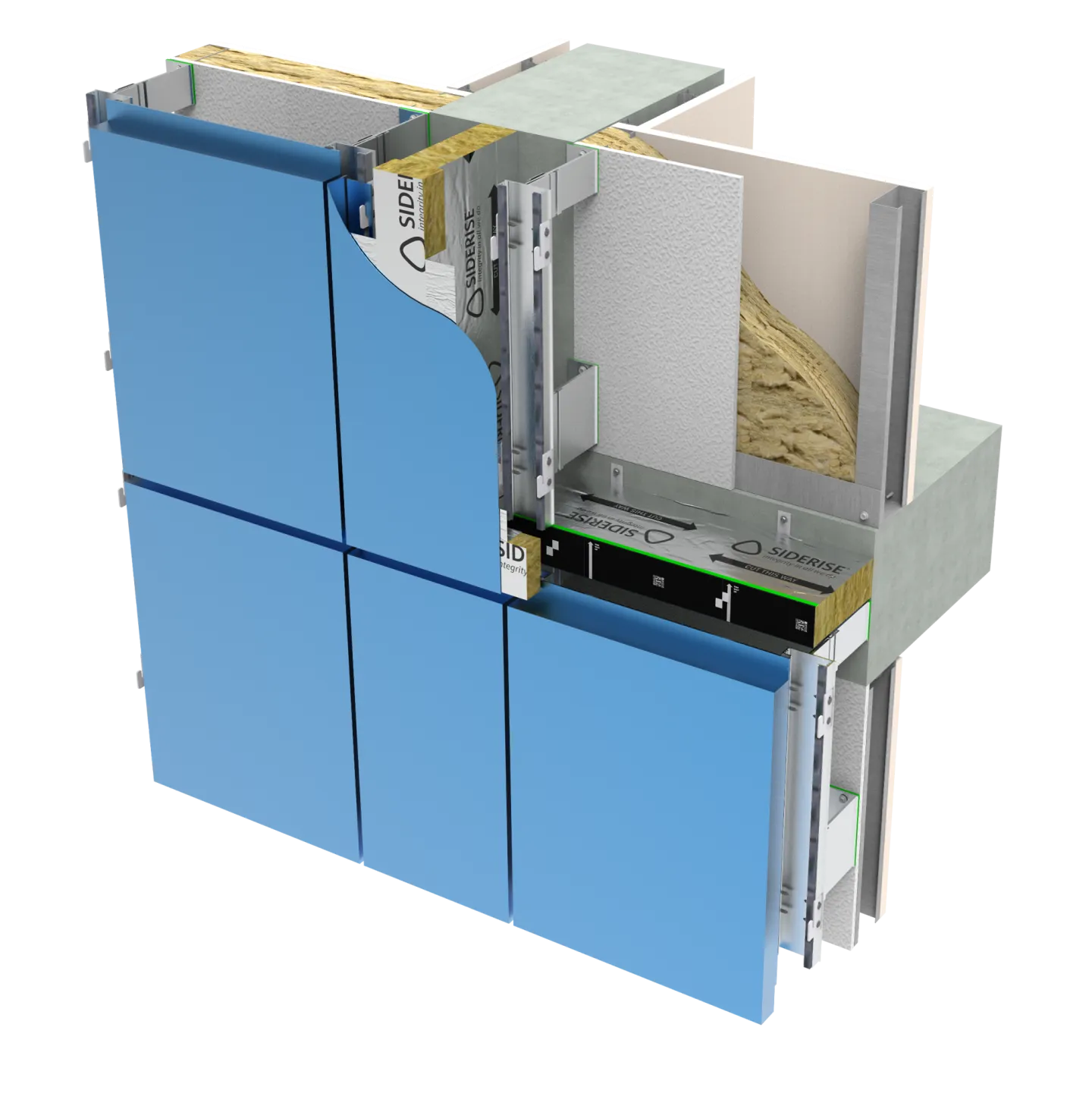
Cassette panels are typically formed by folding flat sheets of metal, creating returns at the edges. Whilst this enhances rigidity, it also leaves a recessed back. When installed, these recesses result in variable cavity depths across the façade. Profiled cladding introduces similar challenges due to its corrugated or shaped geometry.
This can make it challenging to keep the air gap within permissible limits using horizontal and vertical cavity barriers alone, whilst also ensuring the outer face of the barriers has an even surface to form a seal against in a fire scenario. In some cases, complex folds in panel edges make it impossible for cavity barriers to infill the full extent of the voids behind them.
Installation complexities and onsite challenges
If not addressed during design and specification, the irregular cavities created by cassette folds and profiled sheets often means installers are forced to adapt on-site:
Horizontal cavity barriers may need to follow panel profiles e.g. trapezoidal profiles in a horizontal orientation.
Vertical barriers often require manual notching or scribing.
Voids behind folds and rails must be filled case-by-case.
These adjustments are not just time-consuming but they also introduce risks. Each modification creates variability in installation quality, making it harder to ensure consistent fire performance across the façade. The challenge is even greater with hook-on cassette systems: because panels are installed by hooking and dropping into place, it is often impossible to scribe or adjust cavity barriers once installation begins plus there is a risk of the panel returns snagging on the cavity barriers.
Compliance and regulatory pressure
The importance of robust rainscreen passive fire protection has increased significantly in recent years, particularly under evolving building safety regulations across the UK.
Projects must now demonstrate:
Effective compartmentation within façade cavities.
Evidence-backed installation aligned with tested systems.
Proper documentation for Building Control approval.
Where cavity barriers are modified onsite to accommodate inconsistent cavities, it can be difficult to demonstrate that the final installation aligns with tested configurations.
This creates potential risks, including:
Delays in project approval.
Increased inspection and remediation requirements.
Uncertainty around long-term fire performance.
For developers, contractors, designers and specifiers, these risks highlight the importance of designing out issues early rather than relying on reactive solutions.
Simplifying installation with cavity inserts
One practical and testable approach is the use of panel infills, commonly referred to as cavity inserts, as part of a rainscreen passive fire protection strategy, such as Siderise OSCI Open State Cavity Insert.
This high-density block of foil faced Class A2-s1, d0 stone wool is applied to the internal surface of cassette panels either by using the integral self-adhesive strip or mechanical retention methods with brackets or stick pins. This creates a consistent flat surface opposite the facing Siderise RH Horizontal Cavity Barrier, CH Horizontal Cavity Barrier or RV Vertical Cavity Barrier. It is important for designers and specifiers to note that as a cladding panel infill product, Siderise OSCI Open State Cavity Insert does not function as a cavity barrier and that there is no designated fire test standard specific to products of this nature.
This approach offers several advantages:
Simplifies complex detailing: Creates a consistent, flat surface for cavity barriers to seal against, allowing the leading edge of the cavity barrier to be in the same plane and eliminating the need to notch around cassette panel profiles or work around obstructions, which simplifies the detailing and installation.
Improves installation efficiency: Quick to install using either self-adhesive backing or mechanical fixings, helping to reduce onsite time and labour.
Ensures reliable barrier performance: Closes voids caused by support rails and panel folds, enabling effective sealing against horizontal and vertical cavity barriers.
Maintains compliant ventilation gaps: Supports correct air gap continuity, helping systems meet both ventilation and fire safety requirements.
Versatile and adaptable. Available in various sizes and thicknesses, with bespoke and pre-cut options for different façade systems, including rainscreen and profiled cladding.
Suitable for new build and remediation: Flexible design allows easy integration into both new projects and façade upgrades.
Demonstrable reaction to fire performance: A2-s1, d0 classified, and tested as part of full system fire performance (including BS 8414 and NFPA 285).
Demonstrable adhesive retention in fire conditions: Aged specimen subjected to fire resistance testing within a horizontal and vertical cavity barrier arrangement in accordance with EN 1363-1 conditions using the general principles of ASFP TGD19 to give confidence in its ability remain in position.
Long-term durability: 60-year design life through rigorous accelerated ageing (EOTA TR 024 Type X as referenced in EAD 35005-00-1104 - Intumescent products for fire sealing and fire stopping purposes), confirming reliability in harsh environmental conditions, including UV exposure, moisture, temperature changes, and freeze-thaw cycles.
Best practice behind the façade
Effective rainscreen passive fire protection is not just about meeting regulatory requirements, it is about ensuring safety, reliability, and peace of mind for building occupants and stakeholders alike. By recognising the hidden challenges created by cassette and profiled cladding systems, and adopting solutions that simplify installation and enhance performance, the industry can deliver façades with adequate passive fire safety without compromising on aesthetic merit.
Contact us
We're here to help you
Call for our main switchboard
Email us for technical enquiries
Email us for site support
Complete the form for the right response