Gateway 3 compliance: the critical role contractors
play in passive fire safety
As higher-risk building (HRB) projects in the UK progress towards Gateway 3 and the application for a Completion Certificate, contractors are facing increasing pressure to demonstrate robust assurance processes, accurate recordkeeping, and clear evidence of competency – especially for life-safety critical construction products such as cavity barriers and firestops. In this Insights blog series, we’ll explore the key requirements of Gateway 3 and how contractors can translate approved Gateway 2 designs into buildings that are compliant, safe and long lasting.
First, it’s important to understand the purpose of Gateway 3 and the roles and responsibilities contractors must fulfil at this critical stage.
What is Gateway 3?
Whilst Gateway 2 is about intent, Gateway 3 is about evidence - the final ‘hold point’ in the new building control regime for HRBs between the construction and occupation phases. It requires developers to apply to the Building Safety Regulator (BSR) for a building control completion certificate, evidencing that the building has been constructed in accordance with the plans and documents approved at Gateway 2, and that any subsequent changes have been properly controlled, justified, and approved to ensure continued compliance. Without BSR approval, no resident can legally move in. After the completion certificate is issued, all information must be handed over to the building owner.
What information needs to be supplied for Gateway 3 approval?
A comprehensive set of documents as part of the Completion Certificate application, whether for a full or partial completion certificate. These include:
Project summary (date and scope of completed works).
As-built drawings and plans.
Construction control plan.
Change control plan.
Mandatory occurrence reporting plan.
Building Regulations compliance statement.
Fire and emergency file (FEF).
Fire compliance statement (where applicable).
Partial completion strategy (for partial completion applications).
Additionally, several signed declarations are required to confirm accountability across the project team, including:
Compliance declarations from both the Principal Designer and Principal Contractor, confirming they have fulfilled their duties under Building Regulations.
A Client Confirmation Statement, affirming that, to the best of their knowledge, the works comply with Building Regulations.
A signed statement confirming that the client has transferred all relevant building information to either the Responsible Person and/or the Principal Accountable Person.
What roles and responsibilities do contractors need to consider at Gateway 3?
At Gateway 3, contractors must demonstrate that the completed building aligns with the approved Gateway 2 design and meets all relevant Building Regulations. Responsibilities are broadly divided into general contractor duties and the more defined responsibilities of the Principal Contractor, but in practice, successful compliance relies on coordinated effort across the entire supply chain.
All contractors have a baseline responsibility to ensure that the work they deliver is properly planned, managed, and monitored in line with regulatory requirements so buildings meet the prerequisite safety standards - Part 2A of the amendment Building Regulations in particular. Part 2A requires contractor competence to be demonstrated at two levels before construction begins:
Individuals - people doing the work must have the right skills, knowledge, experience and behaviours to be able to do it safely and competently.
Organisations - firms delivering contracts must have the systems, resources and arrangements in place to manage compliance across their teams.
Contractors must also cooperate with the client, designers, and other contractors to ensure that the overall project remains compliant, and any changes are appropriately handled. This collaborative approach is critical at Gateway 3, where isolated or inconsistent working can lead to evidence gaps, delays, or non-compliance.
The Principal Contractor plays a central leadership role during the construction phase and is ultimately responsible for taking the Golden Thread of information from Gateway 2 to handover, coordinating compliance, and preparing the Completion Certificate submission. This includes oversight of the overall installation quality, particularly for safety-critical elements such as passive fire protection, ensuring systems are installed in accordance with approved plans, manufacturer guidance and tested details. This includes verifying that subcontractors have the appropriate skills, knowledge, experience, and behaviours to carry out their work.
On the other side, subcontractors, particularly those delivering specialist or safety-critical works, are responsible for ensuring that their work is delivered in strict accordance with the approved design and specifications, providing detailed installation records, test evidence, and photographic documentation as evidence. Their input forms a significant proportion of the evidence required at Gateway 3.
What issues are slowing down Gateway 3 applications?
In February 2026, a Freedom of Information request by law firm, Irwin Mitchell, found that 55 out of the 158 Gateway 3 applications submitted in 2025 took more than three months to receive a decision and 44 schemes remain undecided more than three months after submission, with the longest case waiting 550 days for approval.
A degree of backlog is, of course, expected as the various bodies and regulators implement the new building safety regime and iron out the process-related issues. However, the BSR (a standalone organisation since 27 January 2026) has released a list of reoccurring practical themes which have slowed applications down, including:
Gaps in the fire and structural safety documentation needed to demonstrate full compliance.
Weak change control records, where changes made after Gateway 2 were not properly documented or justified.
As-built information not matching installed systems or materials.
System integration issues, where individual safety systems passed tests in isolation but did not perform correctly when operating together.
These issues highlight the need to treat Gateway 3 applications as a demonstration of quality throughout the project, not just a tick-box exercise at the end of construction. As the Construction Leadership Council (CLC) states in its Building Control for a New Higher-Risk Buildings Guidance Suite, “during post-approval and the construction phase, the planning, monitoring and recording of evidence should be a progressive process.”
In practice, this means embedding evidence-gathering into the construction process from the outset, supported by close collaboration across the project team, from specialist contractors to manufacturers. By doing so, contractors can ensure that every decision and action is fully documented and aligned with approved plans and any information gaps are quickly identified and filled in before the application goes to the regulators.
How can support from passive fire protection product manufacturers help?
Passive fire protection, including cavity barriers and firestops, is a critical element of a higher-risk building’s fire and life safety strategy. Not all installation processes are the same. As such, contractors should ensure that they are familiar with what is to be installed (as should designers and surveyors). They must provide robust, consistent evidence that these systems have been installed correctly across the entire building and surveyors / inspectors should be able to check that the correct product is installed in the correct location. As the experts in their products, manufacturers should be backing up their product supply with accessible technical and site services that support accurate installation.
At a basic level, this begins with clear, accurate up-to-date technical information, including product data, test certification, and straightforward, visual installation guidance.
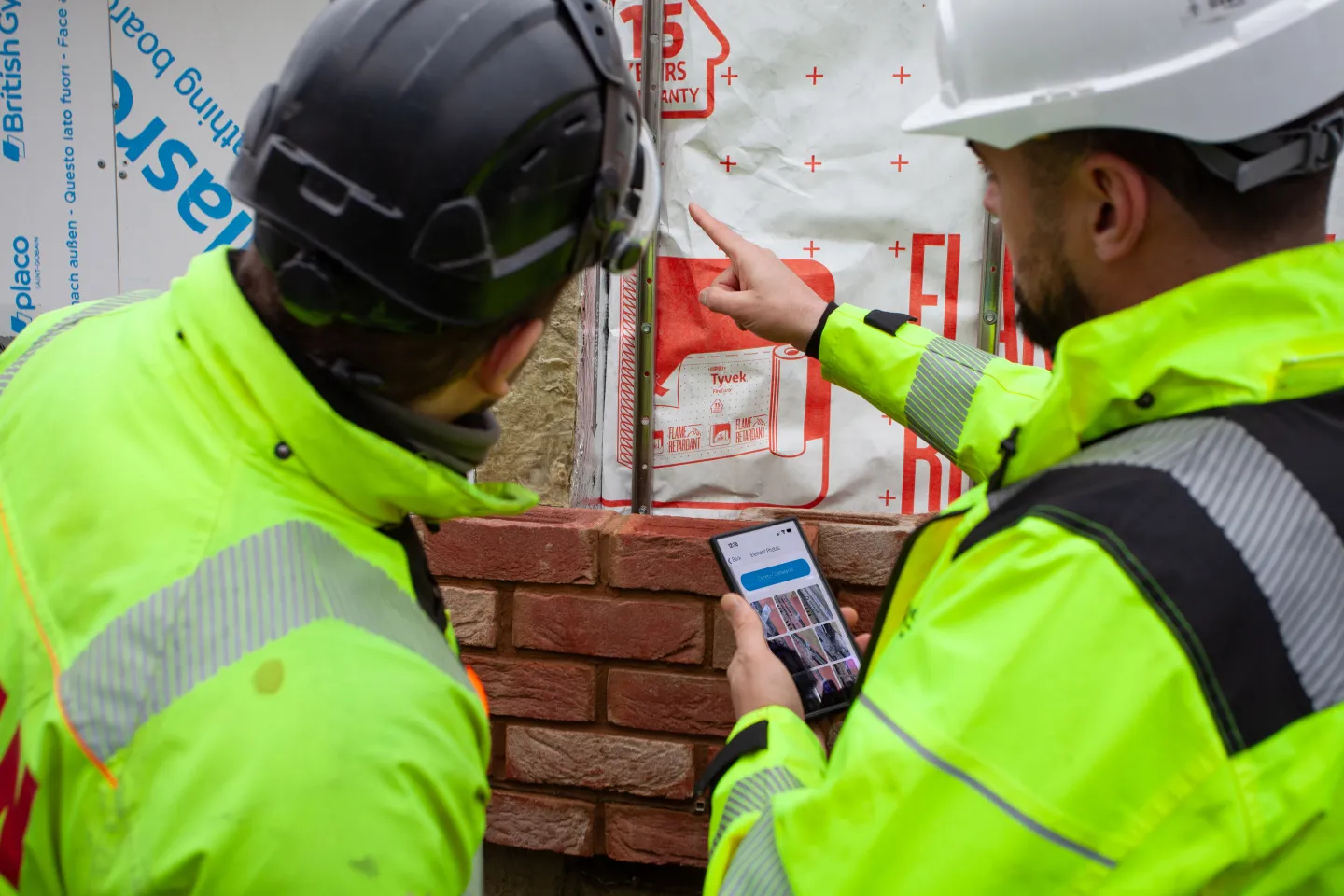
Throughout the construction phase, contractors should be able to engage directly with manufacturers to verify systems are being installed correctly and to build up a robust body of evidence that can be easily traced back to the exact location in the building. This can include project-specific training, benchmark installation constructions that establish the required standards of workmanship, and inspections carried out either on site or through digital tools. These activities help create accurate as-built records that reflect the true condition of the completed works, an essential part of being able to demonstrate compliance at Gateway 3.
What’s more, manufacturers also play a wider role in supporting the development of contractor competency. Through product and application training and CPD opportunities, they can help teams better understand both the technical requirements of their products and the broader expectations of the Building Safety Act.
In our next blog, we will take a closer look at the importance of accurate installation for passive fire protection in the building envelope, and how contractors can ensure they have the appropriate and demonstrable competencies to deliver them.
Follow us on LinkedIn to stay up to date with our latest Insights.
Contact us
We're here to help you
Call for our main switchboard
Email us for technical enquiries
Email us for site support
Complete the form for the right response